
How Global Events Have Shaped Energy Costs in Papua New Guinea
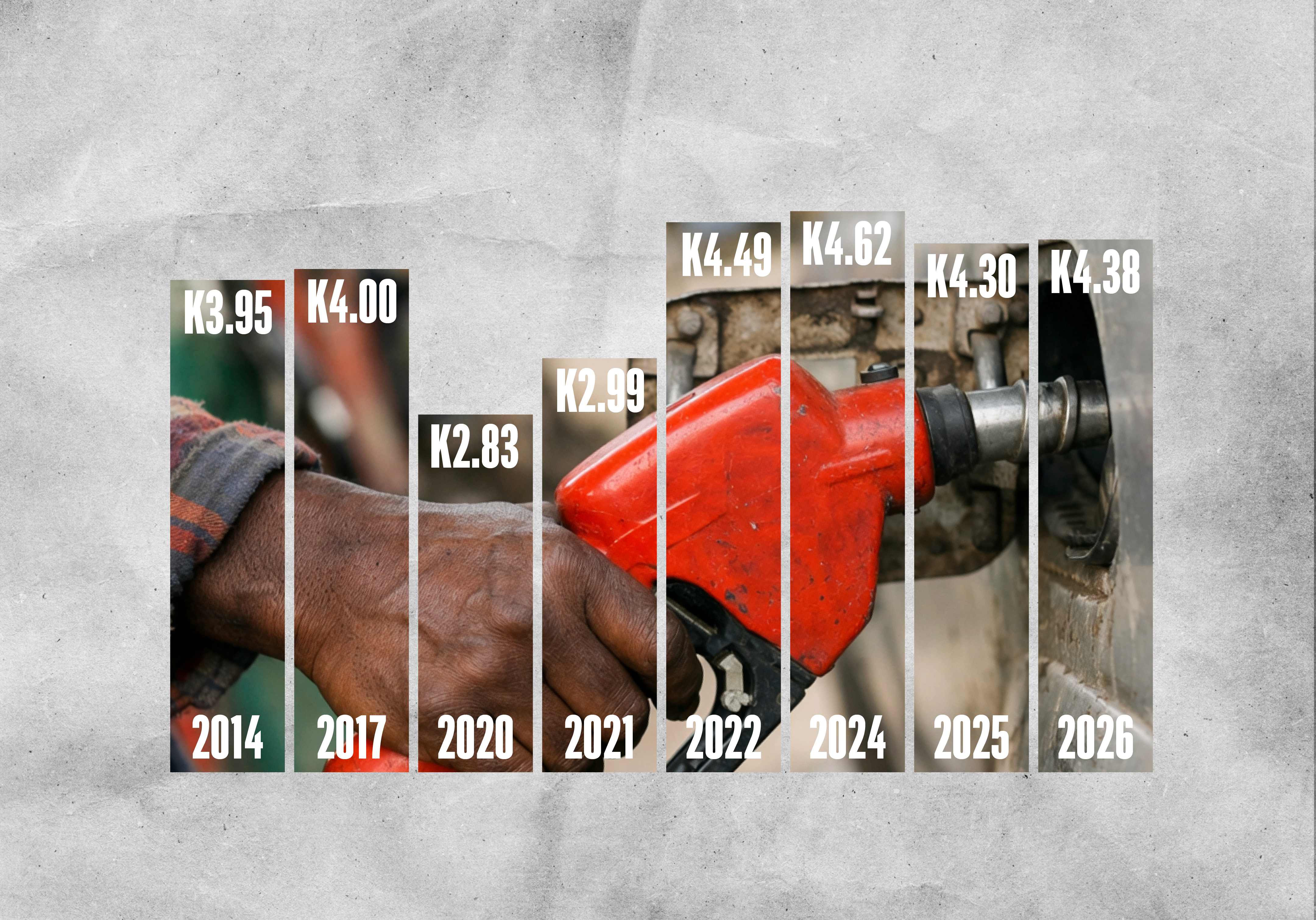
Fuel prices in Papua New Guinea (PNG) have steadily increased over the past decade, reflecting major shifts in global energy markets rather than changes within the local economy. Around ten years ago, fuel prices averaged roughly at K3.00–K3.20 per litre, but today they typically sit between K4.00 and K4.30 per litre, depending on global oil prices. This upward trend highlights how international events and energy supply disruptions continue to influence the cost of fuel across the country.
In the mid-2010s, fuel prices were relatively stable following the global oil price crash of 2014–2015, when a surge in production, particularly from the United States, created a surplus in global oil supply. The oversupply caused crude oil prices to fall sharply and kept fuel prices relatively moderate in many countries, including PNG. Between 2017 and 2019, global oil demand gradually recovered as economies expanded and oil-producing countries reduced supply to stabilise markets. As PNG imports the majority of its refined fuel products, these global price movements translated into gradual increases in local fuel prices.
In 2020, the COVID-19 pandemic briefly reversed the trend. Lockdowns across the world dramatically reduced travel, transport and industrial activity, causing global oil demand to collapse. As a result, oil prices fell significantly and fuel prices temporarily stabilised.
However, the rebound in global demand during 2021 quickly pushed energy prices higher again. The situation intensified in 2022 when the Russia-Ukraine war triggered one of the largest global energy shocks in decades. Sanctions and disruptions to Russian energy exports tightened global supply, sending crude oil prices sharply higher and pushing fuel prices up worldwide.
Today, global energy markets are once again facing uncertainty due to tensions in the Middle East. The ongoing conflict involving Iran has disrupted shipping through the Strait of Hormuz, a narrow waterway between Iran and Oman that carries around 20 per cent of the world’s oil supply. Concerns over tanker safety and supply disruptions have pushed global crude oil prices above US$100 per barrel, raising fears that prices could rise further if the conflict escalates.
For PNG, fuel prices are particularly significant because fuel plays a critical role across the economy. A substantial portion of the country’s electricity supply relies on fuel-powered generators, particularly in regional towns and remote communities where hydropower or gas infrastructure is limited. Fuel is also essential for transportation, aviation, shipping, mining operations and agriculture.
PNG consumes more than 20,000 barrels of fuel per day, much of which must be imported. This reliance on imported energy means global price movements can quickly influence the cost of fuel locally.
Several domestic factors also contribute to higher prices. PNG’s remote geography increases shipping and distribution costs, as fuel must travel long distances by sea before being transported across difficult terrain and scattered island communities. In addition, fuel imports are purchased in US dollars, meaning companies must secure foreign exchange to pay international suppliers. Limited availability of foreign currency in recent years has made this process more difficult and can add to the cost of importing fuel.
The past decade shows how closely PNG’s fuel prices are tied to global events. From the oil supply crash of the mid-2010s to the COVID-19 pandemic, the Russia-Ukraine war and now tensions in the Middle East, developments thousands of kilometres away continue to influence the price of fuel at home. If disruptions to oil supply routes such as the Strait of Hormuz continue, PNG may once again face rising fuel and energy costs in the months ahead.
With PNG so heavily reliant on imported fuel, should the country begin investing more aggressively in renewable energy and domestic power sources to protect itself from global oil shocks?


Leave a Reply