
Warriors of the Asaro Valley
A few hours’ travel out of Goroka town, the capital of Eastern Highlands Province in Papua New Guinea (PNG), lies the homeland of the famous Asaro Mudmen, locally known as Holosa. The Asaro Valley, nestled between rugged limestone hills and fertile land, is home to villages such as Komuniye, Kabiufa, and Asaro.
According to oral tradition, the Asaro people once lost their lands in fierce battles and were forced to retreat to the less fertile mountains. Life there was difficult, prompting them to reclaim their valley lands. Outnumbered by those who had taken over, the Asaro warriors devised a strategy to overcome their disadvantage.
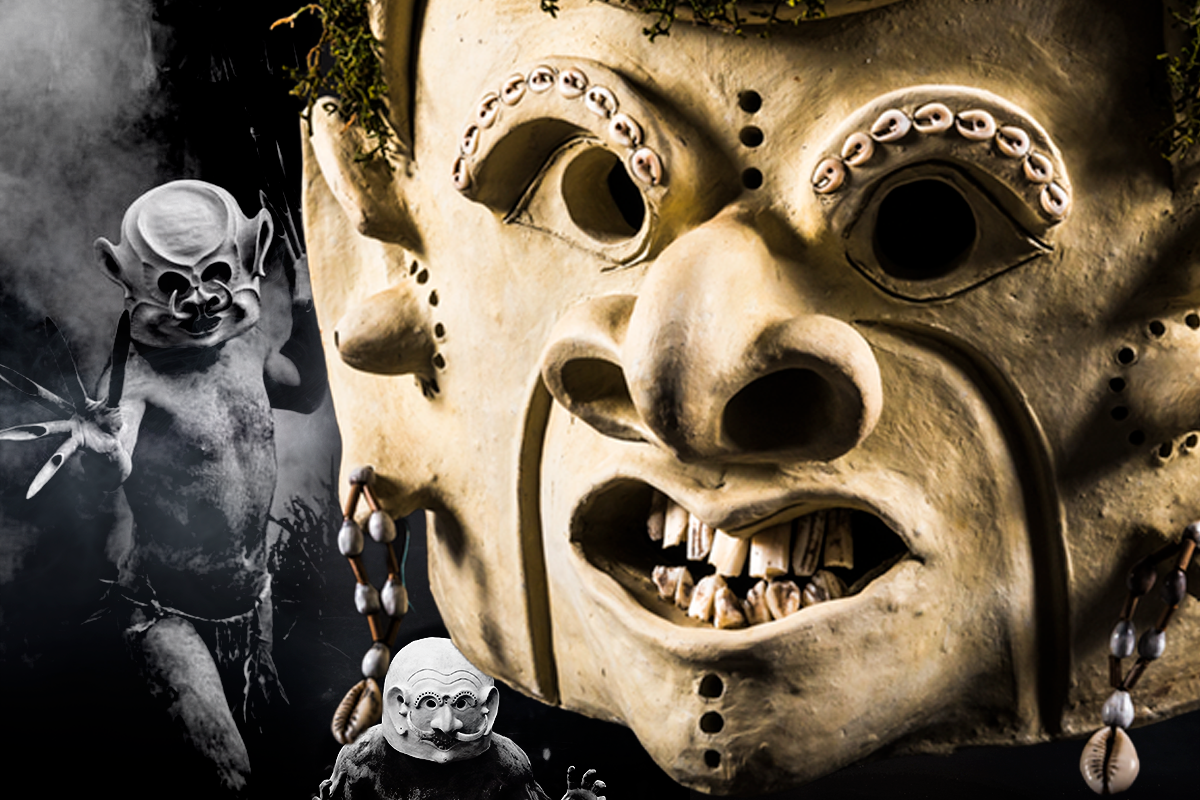
The story goes that they covered themselves in white clay and crafted eerie mud masks, appearing as ghostly spirits. At dawn, when the morning mist hung low over the valley, they launched their advance. Their strange, spectral appearance terrified their opponents, who believed the Asaro ancestors had returned from the dead. Panic spread, and the occupiers fled without resistance, allowing the Asaro people to reclaim their valley and rebuild their community.
Today, this legendary act of ingenuity is celebrated in cultural performances and ceremonies. The masks, once symbols of fear, are now recognised as works of art and spiritual icons. With exaggerated features, hollow eyes, toothy grins, and striking forms, they are believed to represent ancestral spirits. The Asaro hold that when men wear these masks, they transcend the human world and step into the supernatural realm.
The Mudmen are now a highlight of major cultural events, including the famous Goroka Show, where their ghostly presence continues to captivate audiences. Once born out of fear, the Mudmen have become one of PNG’s most iconic cultural treasures, proudly shared with the world while keeping their heritage alive for future generations.


Leave a Reply