
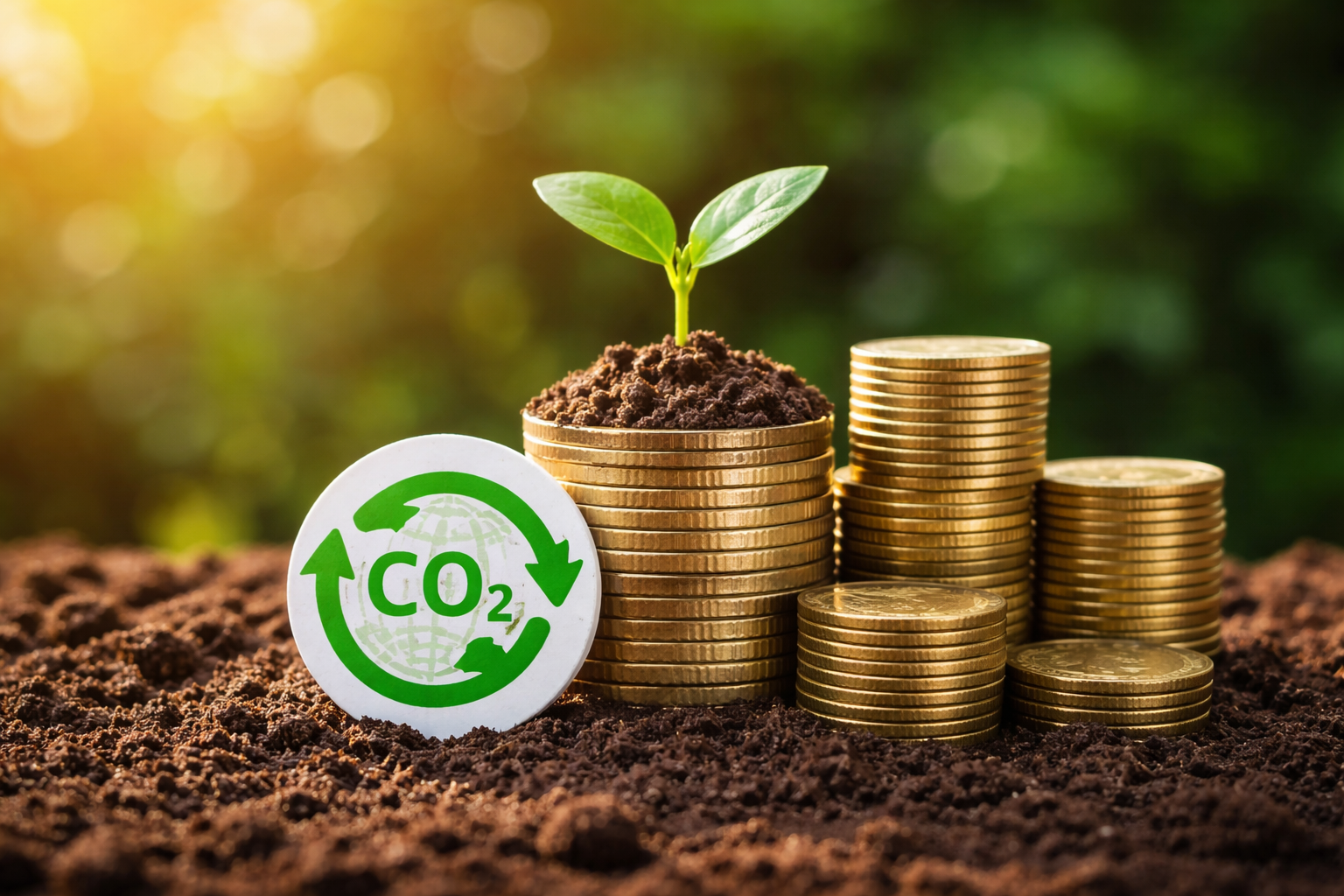
PNG’s Role in Carbon Trading.
Carbon trade, also known as carbon trading, is a system designed to reduce greenhouse gas emissions by putting a price on carbon pollution. It allows companies or countries that emit less carbon to sell their unused emission allowances or carbon credits to those that emit more. This creates a financial incentive to cut emissions while supporting projects that reduce or absorb carbon dioxide, such as forest conservation, renewable energy, and climate-friendly farming.
There are two main types of carbon markets. Compliance markets, like cap-and-trade systems, are regulated by governments and set legal limits on emissions. Voluntary carbon markets allow businesses and individuals to offset their emissions by buying carbon credits from approved climate projects. One carbon credit typically represents the reduction or removal of one tonne of carbon dioxide from the atmosphere. These markets encourage investment in nature-based solutions and cleaner technologies.
Papua New Guinea (PNG) is well-positioned to benefit from the carbon trade thanks to its vast rainforests and blue carbon ecosystems, such as mangroves. Carbon trading can provide income for forest protection, support local landowners, and help PNG contribute to global climate action. PNG’s official carbon emissions target under the Paris Agreement, its Nationally Determined Contribution (NDC), is to reduce greenhouse gas emissions by about 50 % by 2030 compared with 2015 levels and achieve carbon neutrality by 2050. This includes reaching carbon neutrality in the energy sector by 2030.
PNG’s carbon trading space is still evolving. Following concerns over poorly regulated voluntary carbon deals, the government has tightened rules and is reviewing the legal framework to better protect landowners and ensure transparency. While some voluntary projects were paused, PNG is now repositioning itself to participate in more regulated and high-integrity carbon markets, including international trading under the Paris Agreement. With proper systems, partnerships and safeguards in place, carbon trading in PNG aims to attract climate finance while genuinely benefiting communities and protecting the environment.
How can relevant authorities in PNG ensure that climate finance truly benefits local communities while protecting their forests and ecosystems?


Leave a Reply