
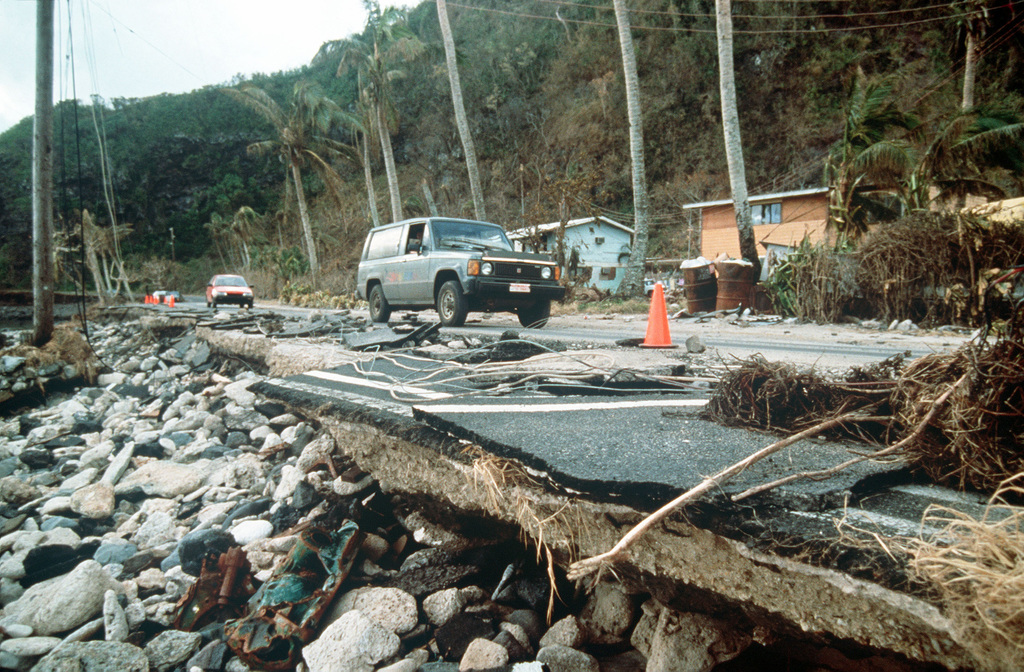
What the Loss and Damage Fund Means for the Pacific?
Climate change–driven disasters have been affecting countries around the world for decades, and Papua New Guinea (PNG) is no exception. Rising sea levels, extreme weather, flooding, and food insecurity are already reshaping lives across the Pacific. In response to these growing impacts, the Loss and Damage Fund was established to support countries facing climate harms that can no longer be avoided or adapted to.
The Loss and Damage Fund is a United Nations–backed financing mechanism created under the United Nations Framework Convention on Climate Change (UNFCCC). It is designed to provide financial support to developing nations experiencing the unavoidable consequences of climate change. The fund was formally agreed to at COP27 in Egypt in 2022 and officially launched at COP28 in Dubai in 2023.
Unlike existing climate finance mechanisms that focus on mitigation or adaptation, the Loss and Damage Fund addresses impacts that go beyond adaptation. Its purpose is to help countries recover and rebuild after climate-related disasters, support communities that lose homes, livelihoods, or land due to rising seas and extreme weather, and respond to irreversible losses such as the destruction of ecosystems, cultural heritage, and traditional territories.
So who contributes to the fund, and who benefits from it? Wealthy, industrialised nations that are responsible for the majority of global carbon emissions are expected to provide financial contributions. The beneficiaries are developing and climate-vulnerable countries, including PNG and other Pacific Island nations. The fund is currently administered by the World Bank, acting as its interim host.
According to the United Nations Climate Change Secretariat, the fund has so far received around US$700 million in pledges, including US$100 million each from Germany and the United Arab Emirates. While this marks an important step forward, the amount remains modest when compared to estimates that climate-related damages could reach US$580 billion globally by 2030.
The Loss and Damage Fund is intended to channel support through multiple pathways. These include direct funding to national governments or trusted delivery partners, support via regional or local organisations already working with climate funds such as the Green Climate Fund or Adaptation Fund, assistance through international agencies, and small grants targeted at local communities, Indigenous Peoples, and vulnerable groups. The fund also aims to provide rapid financing to enable faster responses following climate emergencies.
For Pacific Island nations already experiencing coastal erosion, displacement, and food insecurity, the Loss and Damage Fund represents an important step toward climate justice. It acknowledges that those least responsible for climate change are often the most affected.
As this long-awaited fund begins to take shape, a critical question remains: will the world’s wealthiest nations act quickly and decisively enough to protect the Pacific from the escalating climate crisis?


Leave a Reply