
Laws Ignored, Enforcement Weak.
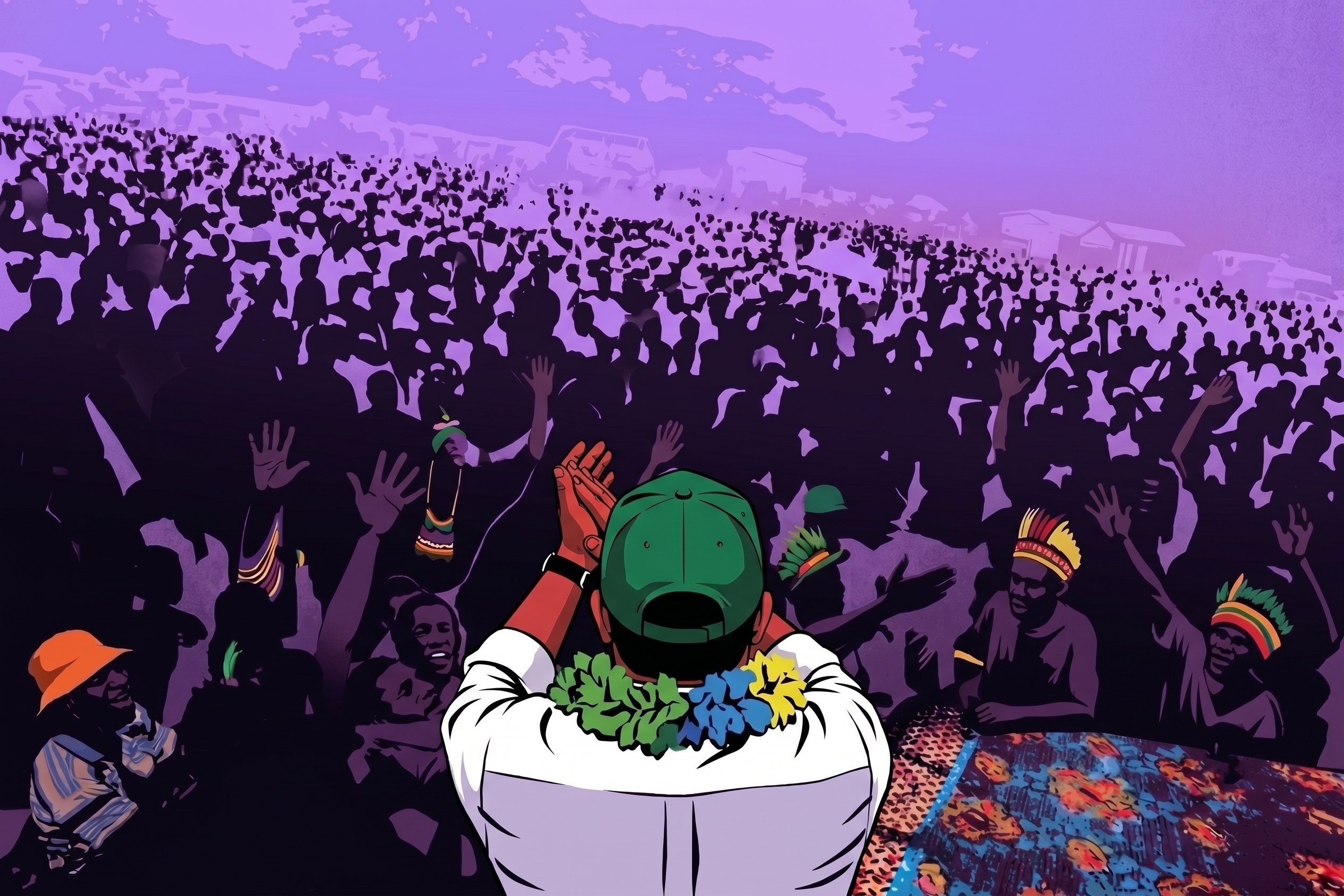
Concerns are mounting over the rise of early campaigning in Papua New Guinea (PNG), with observers warning that political activity outside the official election period could undermine electoral fairness and integrity. Reports of candidates engaging voters, distributing materials and mobilising support well before the issuing of writs have sparked debate about compliance with electoral laws and the need for stricter enforcement.
Under PNG’s electoral framework, campaigning is only legally permitted during the official election period declared after writs are issued. According to the Electoral Commission of Papua New Guinea, the Organic Law on National and Local-Level Government Elections regulates all election-related conduct, including when campaigning can begin. Any activities that attempt to influence voters before this period may be considered unlawful and contrary to the principles of a free and fair election.
Breaches of electoral laws carry penalties that can include fines, imprisonment, or disqualification from the election process. The law outlines a range of electoral offences such as undue influence, bribery, or illegal inducement of voters. In some cases, offenders may face fines of up to several hundred kina or imprisonment for a number of months, depending on the severity of the offence. Enforcement is carried out by authorities, including the Royal Papua New Guinea Constabulary, although challenges remain in ensuring consistent application of the law across the country.
Early campaigning in PNG is often associated with offences such as bribery, treating (the distribution of food or money to influence voters) and undue influence. Despite this, enforcement remains weak, with cases rarely formally reported and prosecutions almost non-existent in public records. Most responses by authorities, including the Electoral Commission of Papua New Guinea and the Royal Papua New Guinea Constabulary, tend to focus on issuing warnings, public statements and threats of arrest rather than pursuing actual legal action, highlighting ongoing challenges in upholding electoral integrity. Observers argue that stronger oversight and public awareness are needed to maintain trust in the electoral process and ensure a level playing field for all candidates.
If laws clearly restrict campaigning to a set period and there have been clear reports of early campaigning happening, why is enforcement weak? Is more awareness needed to educate the people on the processes of how to report early campaigning?


Leave a Reply