
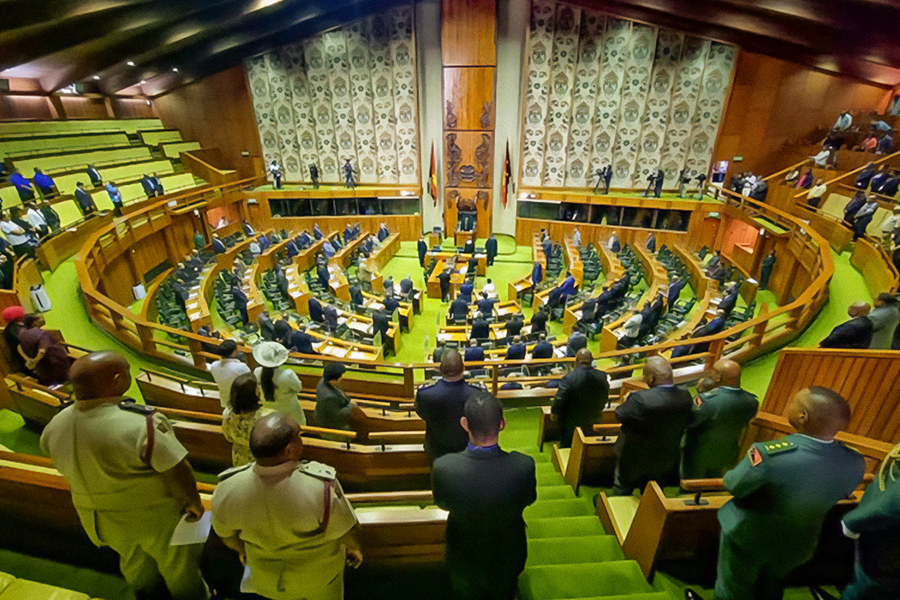
Papua New Guinea’s National Parliament is the highest decision-making body in the country, where key laws and decisions affecting the nation are made. Guided by a set of rules known as standing orders, Parliament operates within the framework of the Constitution, which remains the supreme law of the land. This means that every decision and law passed must align with the Constitution.
Every five years, the people of Papua New Guinea exercise their democratic right to elect representatives to Parliament. Depending on the voters ‘ choice, these representatives are either re-elected or replaced by new members. Once elected, they gather in Parliament to make decisions on behalf of the nation.
The National Parliament is composed of 118 members. There are 96 Open Members, each representing a district, and 22 Provincial Members, representing the provinces. The Speaker of Parliament, typically elected from the ruling party, plays a vital role in ensuring order and fair debate during parliamentary sessions. The Speaker also has the power to enforce the standing orders and oversee the proper functioning of Parliament.
Throughout its five-year term, Parliament meets at least five times a year, with each session lasting several weeks. During these sessions, members debate proposed laws, introduce new legislation, and work to represent the interests of their electorates. It is important to note that Parliament is the sole law-making body in Papua New Guinea. If any law or action does not comply with the Constitution, it can be challenged in the Supreme Court. The Marape-Rosso Government, since taking office in August of 2022, had passed a total of 129 bills and acts in parliament.
One of the most important duties of Parliament is to approve the national budget each November. This budget outlines how the government will allocate funds to various sectors in the coming year. Parliament’s work is supported by 34 committees, divided into three categories:
- Public Accounts Committee
- Permanent Committees
- Parliamentary Business Committee
These committees are designed to ensure that the government is held accountable. They include members from both the government and the opposition, ensuring bipartisan oversight. Among these, the Public Accounts Committee is especially important, as it monitors government spending. The committee has the power to investigate how departments such as Works and Transport or Treasury are using public funds. They can also summon ministers and public servants to explain their actions.
For instance, if there are concerns about border security, the Public Accounts Committee can summon officials from the Defence Force or Immigration to report on how they are managing the issue.
Parliament has a crucial role in holding the Prime Minister and Cabinet accountable, ensuring that government policies and decisions are transparent and in the public’s best interest. The various committees work to monitor government activities and ensure that funds are used responsibly.
If these responsibilities were ignored or violated, it could lead to a breakdown in democratic oversight. This would create opportunities for corruption and misuse of power, threatening the integrity of the nation’s governance. Therefore, it is essential that Parliament operates according to its established duties, safeguarding the nation’s democracy and ensuring that the voices of the people are heard and respected.
Do you think this parliament is operating the way it is meant to? Leave your thoughts in the comments below.

Leave a Reply