
Tracing thousands of years of farming in PNG.
Agriculture is the practice of cultivating soil to grow crops and raise livestock. Before the agricultural revolution, hunting and gathering sustained human societies for thousands of years. According to the World History Encyclopaedia, the historical region known as the Fertile Crescent in the Middle East is generally regarded as the birthplace of agriculture. The earliest evidence of farming is believed to have emerged in the Levant, which includes the eastern Mediterranean coastal regions of present-day Turkey, Syria and Lebanon.
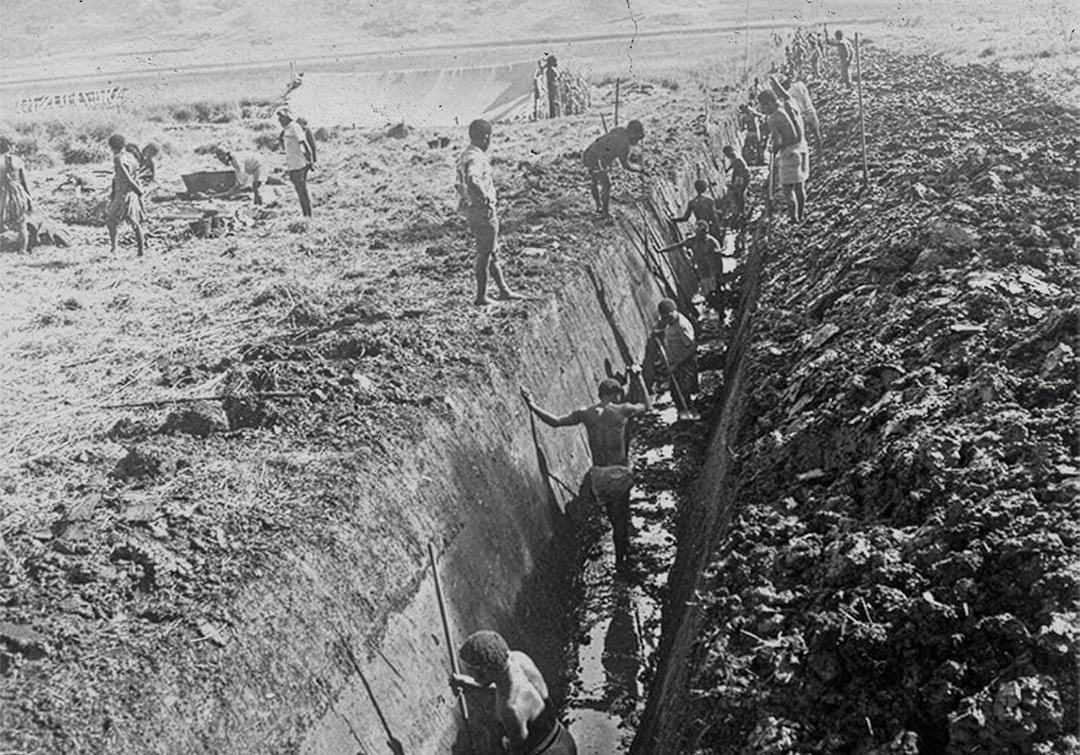
Papua New Guinea (PNG) is also home to one of the world’s oldest known agricultural sites. Known as the Kuk Agricultural Site, it contains evidence of human cultivation dating back more than 10,000 years. The site is located in the Upper Wahgi Valley of the Western Highlands Province. According to the UNESCO World Heritage Convention, Kuk is among the earliest known agricultural landscapes in the world. The site covers approximately 116 hectares of swampland and reveals clear evidence of early farming practices.
Archaeological research at Kuk began in the 1960s, led by Australian archaeologist Jack Golson and his colleagues. Their work confirmed that agriculture was practised in the Wahgi Valley as early as 10,000 years ago, only a few thousand years after farming first emerged in the Fertile Crescent.
In recognition of its outstanding historical significance, Kuk Swamp was inscribed as a UNESCO World Heritage Site in 2008. While other ancient agricultural centres, including those in the Fertile Crescent, also hold great importance in human history, Kuk stands as a rare example of early agricultural development in the Pacific region.
Today, the Kuk Agricultural Site continues to offer valuable insights into the origins and evolution of agriculture. It serves as a powerful reminder that Papua New Guinea has long been a land of innovation, resilience, and deep environmental knowledge. How can we preserve and celebrate this remarkable piece of our shared human history for generations to come?


Leave a Reply