
From Appointed Chiefs to Community Leaders: How the Luluai and Tultul System Laid the Groundwork for Local Governance in Papua New Guinea.
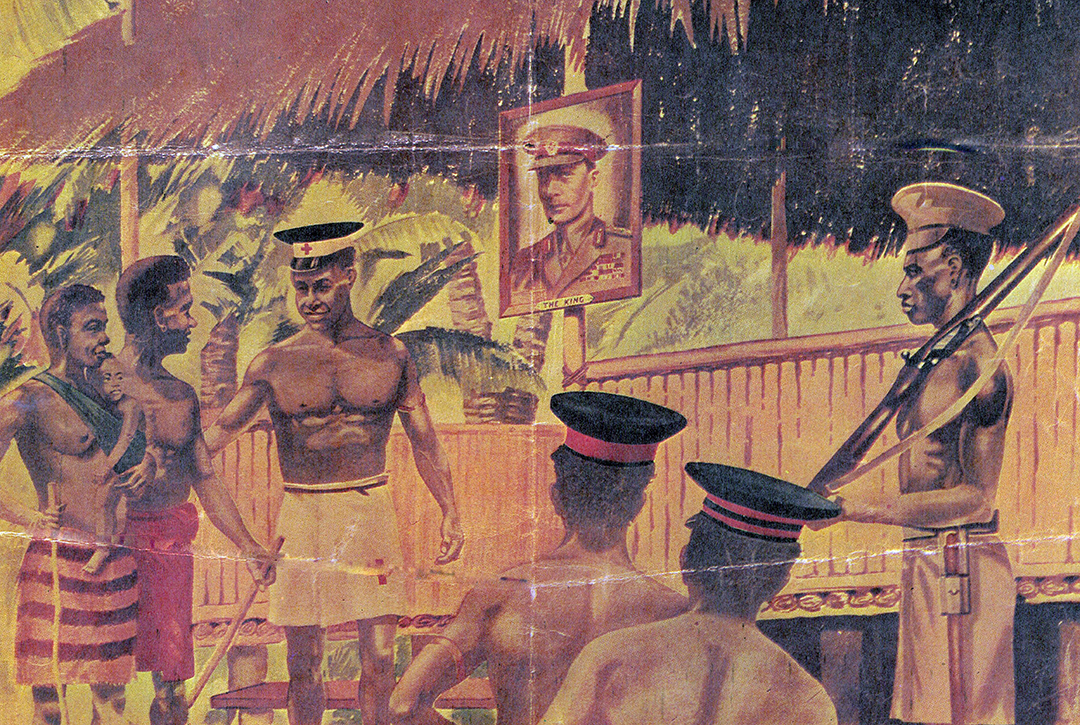
The Luluai system, established by the German Colonial Administration and later adopted by the Australian Administration after World War I, played a significant role in shaping governance in Papua New Guinea. In 1896, the German New Guinea Territory implemented a local police force, which utilised traditional leadership structures. According to the article “Taim Bilong Masta”, the German Government introduced a system of appointed ‘Luluais’ and ‘Tultuls’ to bridge the gap between colonial authorities and the Papua New Guinean population.
The terms Luluai and Tultul originate from the Kuanua language of the Tolai people in East New Britain Province. Luluai is derived from Lualua, meaning chief, while Tultul comes from tul, meaning to send. Luluais served as village police, and Tultuls were their assistants, selected from influential members of the local communities. These leaders were tasked with representing colonial authority at the grassroots level, collecting taxes, enforcing regulations, and acting as intermediaries between the administration and the local people. Luluais also had the authority to settle minor disputes and fine offenders within the community.
The acceptance of this system by Papua New Guineans can be attributed to its alignment with local traditions of leadership and conflict resolution. The Luluai system mirrored pre-colonial leadership structures, which made it culturally relevant to many communities. In modern times, the role of a Luluai closely resembles that of a village councillor, responsible for leadership, decision-making, and conflict resolution in the community.
Did the Luluai and Tultul system play a role in shaping how Local Government Councils are structured in Papua New Guinea today?


Leave a Reply