
Shifting from Raw Log Exports to Local Processing and Sustainable Growth.
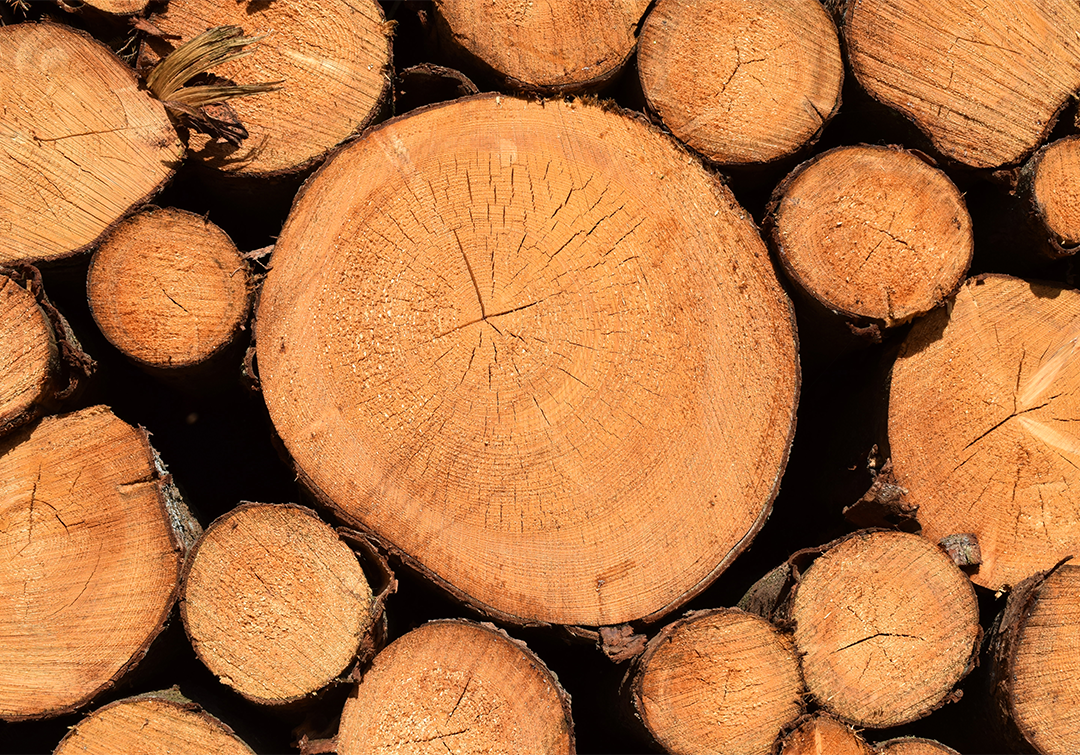
Papua New Guinea has reaffirmed its plan to phase out the export of unprocessed round logs, with the goal of ending new export licences by 2025. This marks a major shift in the country’s forestry sector, moving away from exporting raw timber towards expanding local processing, increasing economic returns, and promoting more sustainable forest management.
For decades, PNG has been one of the world’s largest exporters of tropical round logs, with more than 90 per cent of exports going to overseas markets such as China. While this trade generated significant income, estimated between USD 200 million and USD 300 million annually (approximately K636 million to K1.5 billion), much of the value was realised outside the country. Exporting raw logs limited opportunities for local manufacturing, job creation, and value addition within PNG.
Under the new policy direction, the government has stopped issuing new round log export licences and is encouraging timber to be processed locally into higher-value products such as sawn timber, plywood, and other finished wood products. To support this transition, the government has established PNG Diwai Limited, a state-owned enterprise tasked with increasing domestic timber processing and ensuring more benefits remain within the country.
Government projections suggest this policy could significantly increase national income from forestry. Total State revenue from the forestry sector is expected to rise from approximately K595 million per year to around K2.69 billion annually if timber is processed locally instead of exported as raw logs. This represents a potential increase of more than K2 billion per year, highlighting the economic value of downstream processing. In addition, landowners are also expected to benefit from higher returns, with some projections showing income from timber resources more than tripling under the new model.
Beyond increased revenue, the government says the policy will help create employment and develop new skills in timber processing and manufacturing, particularly in rural areas where logging takes place. Local processing industries can provide long-term economic opportunities and support the growth of small and medium-sized businesses linked to the forestry sector.
The policy also aligns with PNG’s commitment to sustainable forest management. By shifting focus away from exporting raw logs, the government aims to encourage more responsible use of forest resources, reduce pressure on forests, and promote long-term environmental protection. PNG’s forests are among the most biodiverse in the world and play a vital role in supporting livelihoods, culture, and climate stability. While the projected economic benefits are substantial, the success of the policy will depend on PNG’s ability to build processing capacity, attract investment, and manage its forests sustainably. As the country moves forward with these reforms, an important question remains: can local timber processing deliver greater economic returns while ensuring PNG’s forests are protected for future generations?


Leave a Reply