
Trouble and Transition for Papua New Guinea’s Institutions of Governance
Papua New Guinea faced a period of economic instability during the 1990s.
Between 1997 and 1998, our nation experienced a sharp rise in inflation, increasing from 5.3% to 21.8%. At the same time, the national budget recorded a significant deficit, further contributing to economic uncertainty.
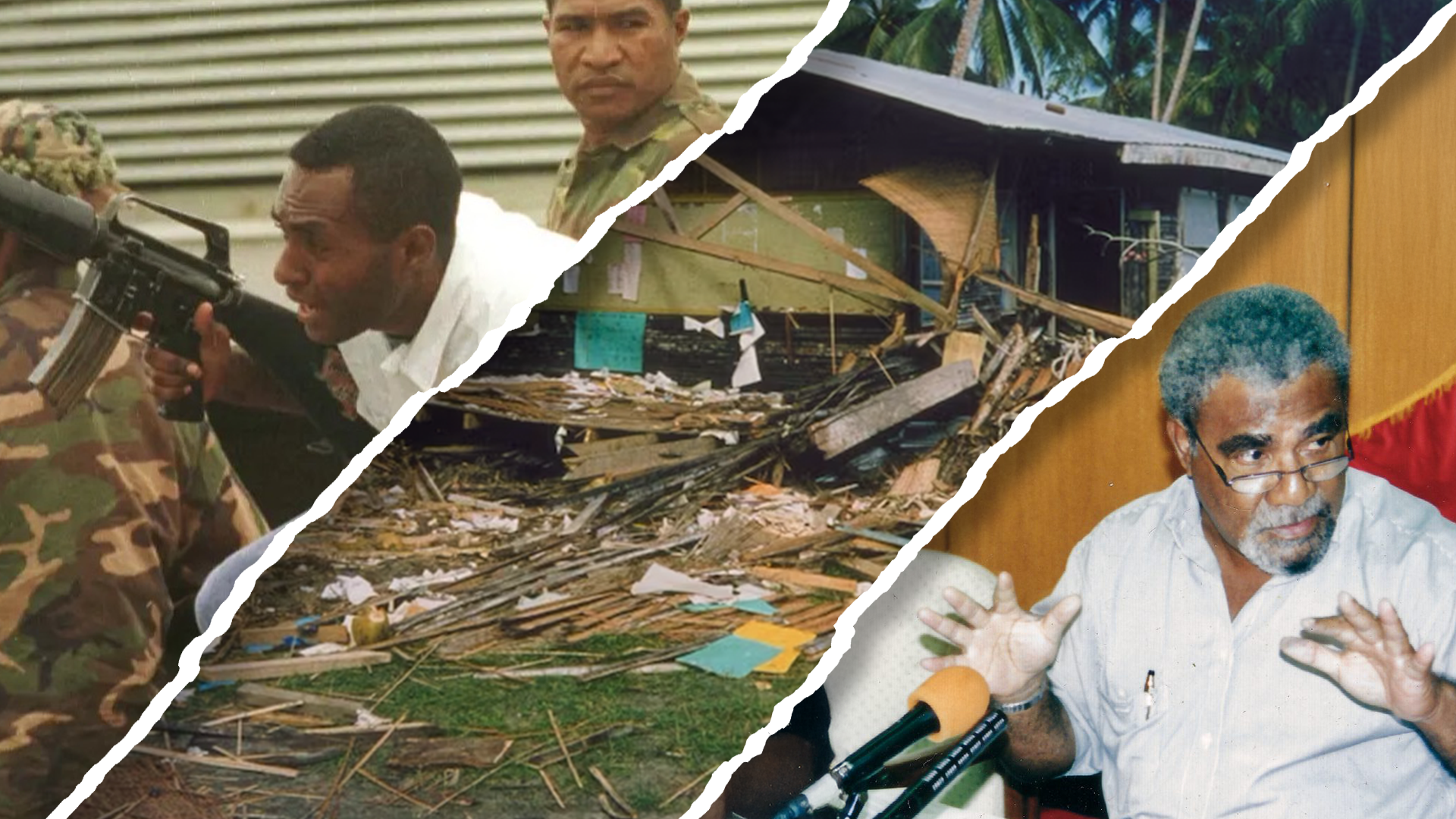
This period coincided with the leadership of the Late Sir William Skate, who served as Prime Minister for two years. His tenure was marked by political controversies, structural inefficiencies between the national government and provincial administrations, low revenue generation, and limited human resource capacity at the provincial level. Additionally, the nation continued to experience the lasting economic and social effects of the decade-long Bougainville crisis.
During this time, PNG was also impacted by major natural disasters, including the severe El Niño-induced drought in 1997 and the Aitape tsunami in 1998, which tragically claimed over 2,000 lives.
The economic fluctuations experienced during this period reflected the classic “boom-and-bust cycle,” where periods of growth are followed by downturns, often driven by external and internal factors.
A significant shift occurred in 1999 with the election of the Late Sir Mekere Morauta as Prime Minister. His leadership marked a critical turning point for PNG’s economy. Through the introduction of the “Last Chance” Mini Budget, his administration implemented key economic and political reforms.
Sir Mekere’s policies led to major structural improvements in the public sector, banking system, and superannuation funds, alongside the privatisation of key government assets. These reforms played a crucial role in stabilising the economy and laying the foundation for sustainable growth.
As he stated at the time:
“As we struggle to restore national confidence and national acceptance, we should keep in mind that we are being constantly judged for political transparency, accountability, and good governance.”
In light of PNG’s ongoing economic challenges, the question remains—could another “Last Chance” Mini Budget be the key to revitalising our nation’s economy?


Leave a Reply