
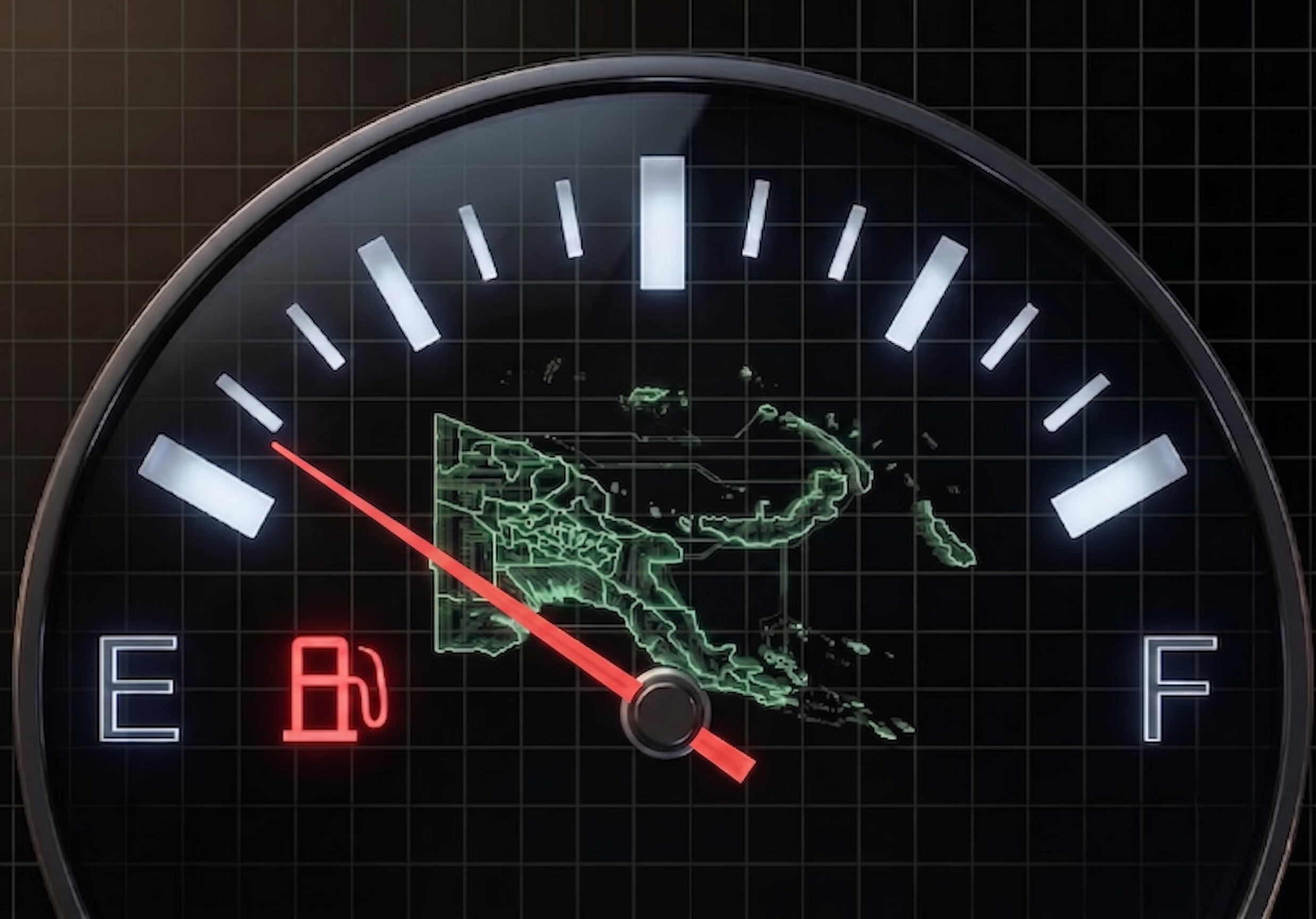
Papua New Guinea’s (PNG) fuel holding capacity plays a key role in national energy security, ensuring a steady supply of petrol, diesel, kerosene and aviation fuel. As a net importer of refined petroleum products, the country relies on imported shipments stored in distributed terminals before reaching consumers. Understanding storage capacity alongside national demand is important for assessing supply stability and exposure to global price shocks.
According to data from The Global Economy, PNG’s daily fuel consumption is estimated at 2.7–2.9 thousand barrels of gasoline, 20.8 thousand barrels of diesel and 3.2 thousand barrels of jet fuel per day. In total, this is roughly 26,000 barrels per day, or around 4 million litres daily. This equals about 120 million litres per month, reflecting strong reliance on imported fuel for transport, aviation and industry.
PNG’s fuel storage infrastructure is spread across key hubs such as Port Moresby, Lae and other provincial depots. Facilities are operated by both government-linked entities and private sector fuel companies. Rather than a single national strategic reserve, storage is decentralised, meaning supply security depends on coordinated logistics and timely imports. This structure helps distribute fuel nationwide but also exposes the system to risks from shipping delays, global supply disruptions, and limited buffer capacity during high-demand periods.
Strengthening fuel storage capacity and improving supply resilience remain important priorities for PNG. Expanding strategic reserves and upgrading infrastructure could help cushion the economy against external shocks. As fuel demand continues to grow, efficient management of imports and storage will be essential to ensuring stability, affordability and long-term national energy security.


Leave a Reply