
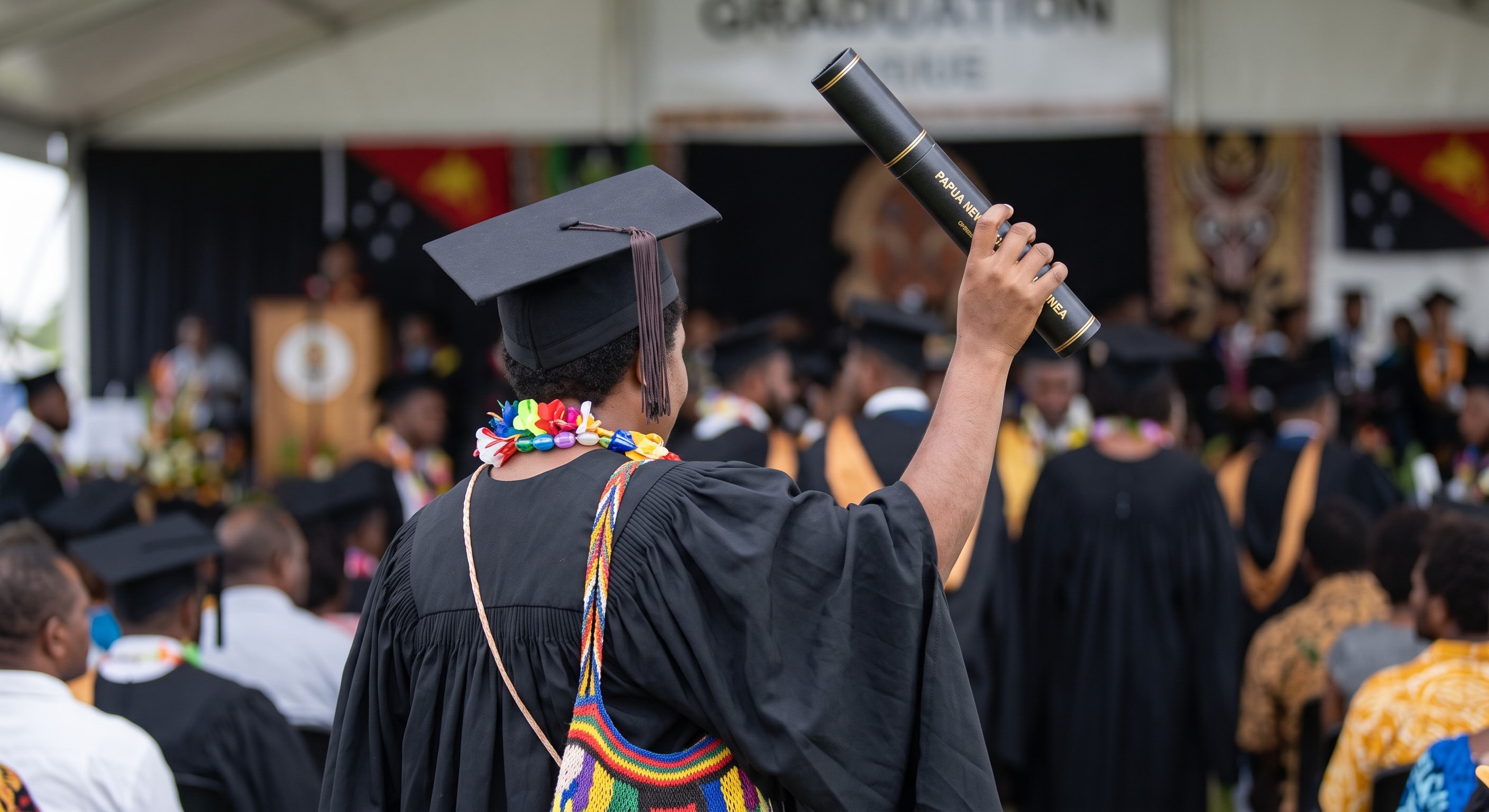
For many Papua New Guinean (PNG) students, scholarships are critical gateways to higher education and professional development. The Tertiary Education Study Assistance Scheme (TESAS), administered on behalf of the Government of PNG by the Department of Higher Education, Research, Science and Technology (DHERST), provides financial support for eligible citizens pursuing tertiary studies. TESAS awards include undergraduate and postgraduate funding that can help cover tuition fees, lodging, travel and student resources, with eligibility based on academic merit.
In addition to national support, Australia Awards Scholarships are among the most significant international opportunities available to PNG students. Offered by the Australian Government in partnership with the Government of PNG, these scholarships aim to build skills and leadership potential to drive social and economic development. They include options for full-degree study in Australia as well as in-PNG scholarships for priority areas such as health, education and transport. Applications are open to PNG citizens, with assessments based on academic ability, leadership potential and alignment with development goals.
Another avenue for PNG scholars includes project-specific partnerships, such as the PNG LNG-Australia Awards scholarships, which focus on rural and regional students and support studies in fields like health and education, enhancing workforce capacity in key sectors. Moreover, bilateral government programs, such as Chinese Government Scholarships, provide fully funded opportunities for PNG students to pursue undergraduate, master’s and doctoral studies in China under international cooperation agreements.
These scholarship opportunities help reduce financial barriers, nurture leadership skills and expand academic horizons, allowing PNG students to contribute meaningfully to their communities and the nation’s development.
With these scholarship opportunities available, how can Papua New Guinea ensure that students from all regions, including rural and remote areas, have equal access to higher education and the chance to contribute to national development?


Leave a Reply