
Why Access to Life-Saving Treatment Remains a National Challenge
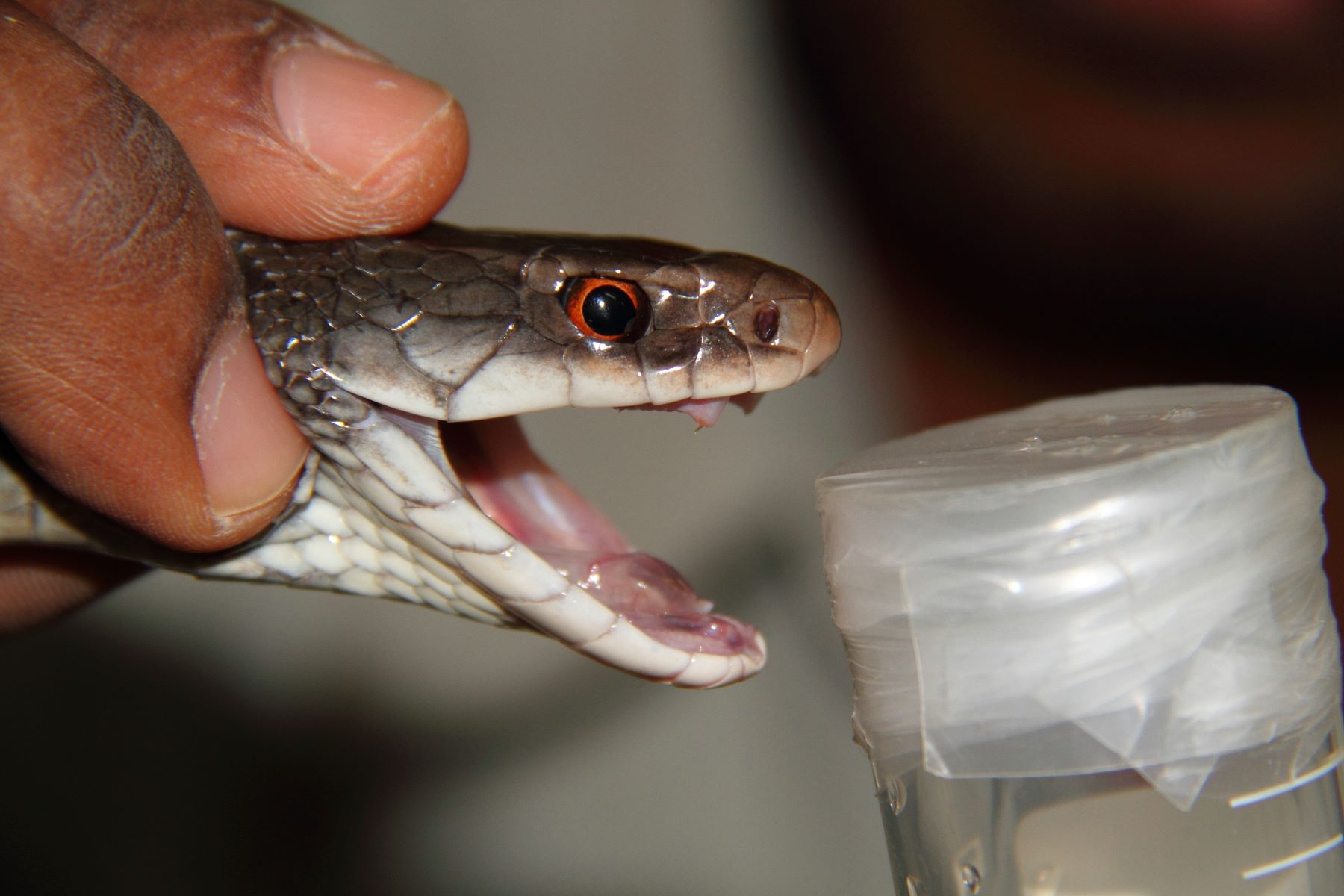
Papua New Guinea (PNG) has one of the highest localised snakebite rates in the world. Research conducted by the School of Biometric Sciences through a national snakebite project indicates that in the southern region of the country, the Papuan taipan, also known as the Papuan black snake, accounts for more than 90% of envenoming cases treated at Port Moresby General Hospital. Envenoming can cause severe and life-threatening complications, including spontaneous bleeding, paralysis, heart rhythm disturbances, acute kidney injury, and muscle damage. In many cases, early administration of effective antivenom is the difference between life and death. Under PNG’s public health policy, antivenom is provided free of charge in public hospitals, with costs covered by the government.
While access to antivenom has improved in recent years, significant challenges remain. Since 2018, PNG has benefited from the PNG Snakebite Partnership, a collaboration between PNG’s health authorities, CSL Seqirus, an Australian-based antivenom manufacturer, and the Charles Campbell Toxinology Centre (CCTC). Through this partnership, up to 600 vials of antivenom are donated each year and distributed to more than 65 health facilities nationwide. Since the program began, over 2,000 lives have been saved through timely antivenom treatment.
Despite this progress, shortages persist. Many health facilities have limited or no access to antivenom, largely due to high costs, overseas production, and complex distribution requirements. Antivenom must be stored at temperatures between 2–8°C, making cold-chain logistics essential. PNG’s challenging geography, combined with limited infrastructure in rural and remote areas, makes it difficult for many health centres to maintain proper storage conditions.
A recent World Health Organisation (WHO) report on improving access to antivenom highlights that distribution remains uneven. Larger hospitals, particularly in urban areas, tend to receive a disproportionate share of available antivenom, while rural and remote health facilities, where snakebites are often more common, frequently receive much less. As a result, many snakebite victims do not receive timely treatment, increasing the risk of serious injury or death.
With antivenom remaining the only proven treatment for snakebite, an important question emerges. Is it time for Papua New Guinea to expand local antivenom production beyond the Charles Campbell Toxinology Centre to ensure a more reliable, affordable, and accessible supply nationwide?

Leave a Reply