
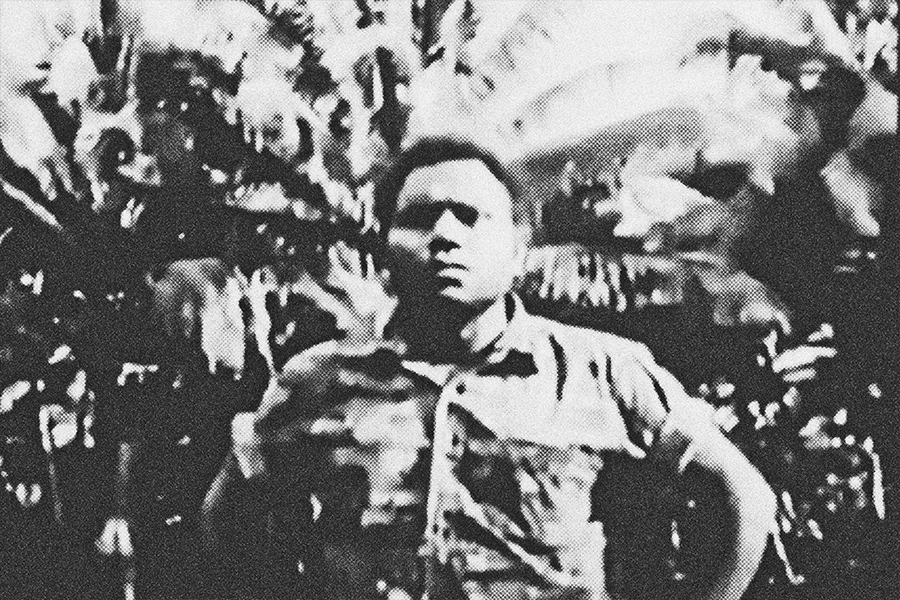
In 1970, the people of East New Britain Province staged a significant protest during Australia’s Prime Minister John Gorton’s visit to the province. The protest, led by local leaders Oscar Tamur Senior, John Kaputin, and Daniel ToRumet, highlighted the frustrations and demands of approximately ten thousand Tolais who were members of the Mataungan Association.
The Mataungan Association was established in 1969 to oppose the creation of a multi-racial Gazelle Peninsula Local Government Council by the Australian Colonial Administration. The association believed that the council did not represent the interests of the Tolai people. As tensions rose, the elections for the council were met with demonstrations, and violence erupted. Several members of the Mataungan Association were arrested for allegedly assaulting council supporters.
In addition to their stance on the council, the Mataungan Association strongly opposed colonial land policies. In 1970, the Australian Administration proposed leasing land to locals for cocoa and copra production. The Tolais rejected this, asserting that the land belonged to the local people and should not be controlled by the colonial government.
Ahead of Prime Minister John Gorton’s visit to Rabaul, the Mataungan Association organised a large protest to express their discontent with colonial policies. As reported by Alex Hopper from ABC’s Four Corners, local police forces in Rabaul were bolstered in preparation for Gorton’s arrival. Footage from the time captured protesters holding up signs at the Rabaul Airport, with messages like “Stop Administration from grabbing native land” and “Gorton, we do not want you, go home.”
When Prime Minister Gorton disembarked from his plane, he was met with boos from the local crowd. In a surprising turn of events, John Kaputin, one of the protest leaders, was invited by the Prime Minister to speak on stage before Gorton’s address. This moment marked a key interaction between the Tolai protest leaders and the Australian administration.
Following Prime Minister Gorton’s visit, the Mataungan Association escalated its demands. They called for self-government and expressed their intention to establish a local council independent of colonial control. This push for self-governance reflected growing resistance to colonial rule and contributed to the broader momentum toward Papua New Guinea’s eventual independence.
The protests led by the Mataungan Association, coupled with their calls for self-government, were crucial in the political development of Papua New Guinea. By challenging the Australian administration’s control over land and local governance, the association played an important role in advocating for the rights of the Tolai people and other local groups. These efforts, among others, laid the groundwork for Papua New Guinea’s journey to becoming an independent state in 1975.
How do you think this movement in history impacted PNG’s push for independence?


Leave a Reply