
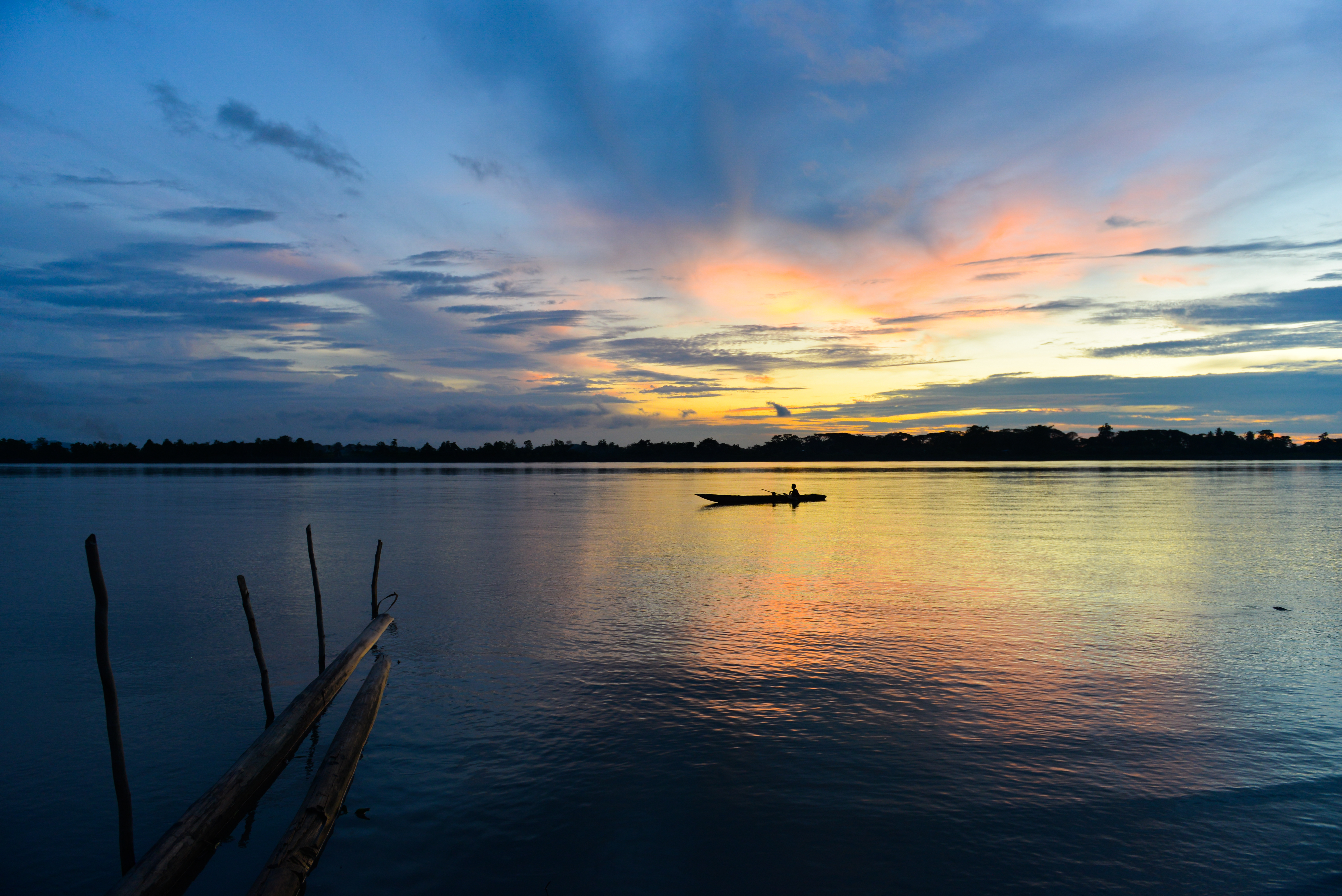
Save the Sepik River
Rivers are lifelines, forming the foundation of survival, culture, and identity for hundreds of thousands of people, particularly in rural communities. In Papua New Guinea (PNG), few waterways are as significant as the Sepik River, one of the country’s largest and most important river systems. Located in East Sepik Province, the Sepik River stretches more than 1,100 kilometres, flowing from the highlands to the Bismarck Sea. According to UNESCO’s World Heritage Centre, it is considered one of the world’s greatest river systems and remains the largest unpolluted freshwater system in PNG, as well as one of the most intact freshwater basins in the Asia-Pacific region.
For the people who live along its banks, the Sepik River is central to everyday life. It is a primary source of food, providing fish, freshwater prawns, eels, turtles, and crocodile eggs. Its fertile floodplains support subsistence agriculture, where communities cultivate sago, fruits, and vegetables. The river also supplies water for drinking, cooking, and washing, making it essential to health and wellbeing.
Beyond sustenance, the Sepik River functions as the region’s main transport route. It is the people’s highway, enabling travel between villages and supporting economic activities such as tourism and the trade of traditional wood carvings. The river also connects communities to basic services, including health care and education, reinforcing its role as the backbone of social and economic life in the region.
Despite its immense ecological and cultural importance, the Sepik River faces growing threats. Concerns have been raised about pollution, climate change, and large-scale resource developments, particularly the proposed Frieda River Mine. For many years, local communities have voiced strong opposition to the project, fearing that mining activities could irreversibly damage the river system. For them, the Sepik River is more than a natural resource. It is a powerful symbol of life, culture, and resilience.
Protecting the Sepik River is not only an environmental issue. It is about safeguarding cultural heritage, identity, and the survival of communities who have depended on the river for generations. As pressures from development increase, a critical question remains: can Papua New Guinea afford to risk losing the Sepik River in the name of development, and who should ultimately decide its future?

Leave a Reply