
Understanding the Glassman Bill.
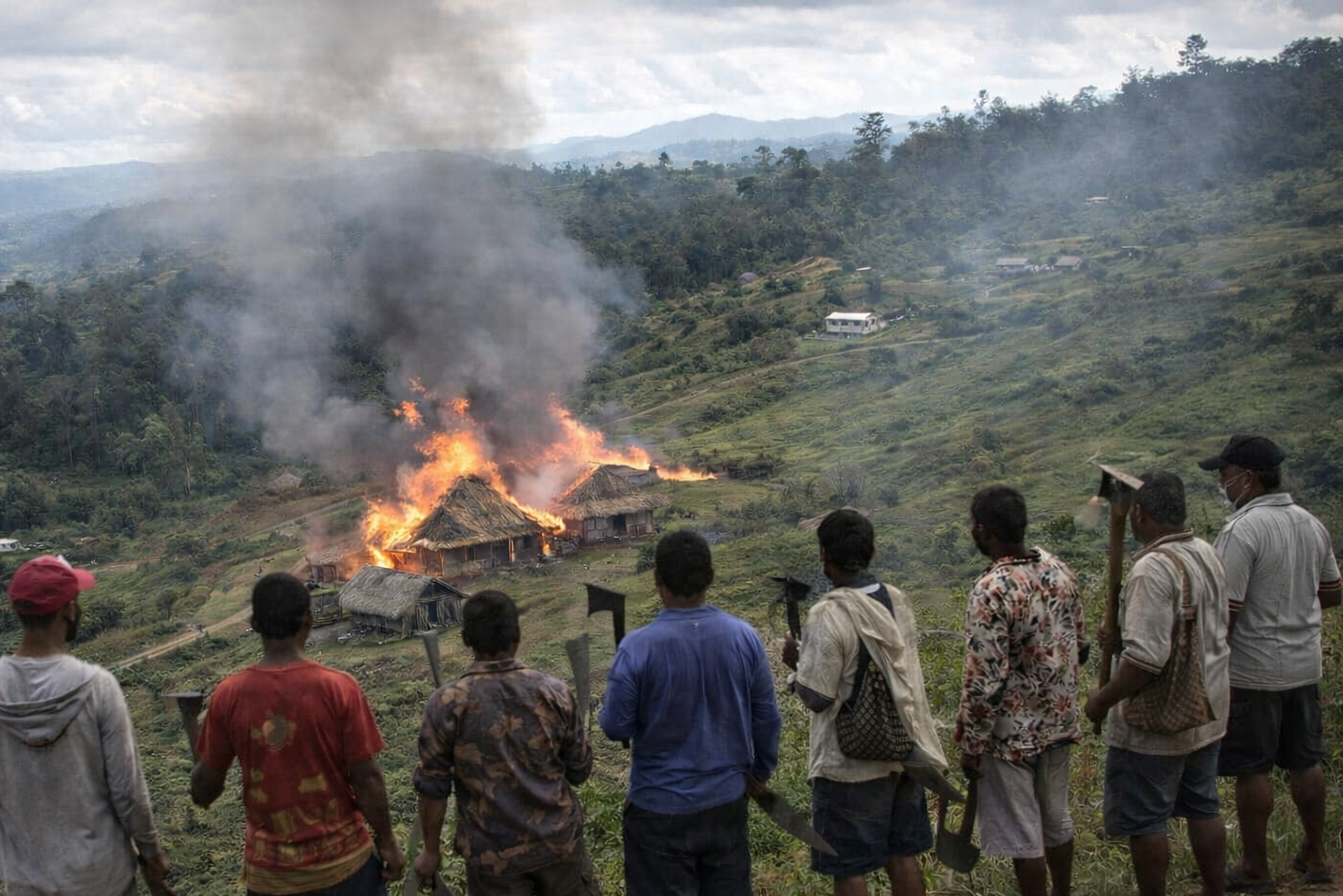
The Glassman Bill, officially passed by the Parliament of Papua New Guinea (PNG) in 2022, is a landmark law aimed at addressing sorcery accusation-related violence (SARV). For years, false accusations of witchcraft and sorcery have fuelled brutal violence and killings in rural communities across PNG, with victims, mostly women, tortured or killed on suspicion of sorcery. The Glassman Bill criminalises the practice of acting as a “glassman” or “glassmeri”, individuals who accuse others of sorcery, closing a legal gap where perpetrators previously evaded accountability.
Under this Act, those who make false accusations of sorcery that lead to violence, injury or death can be arrested and prosecuted, even if they did not physically participate in the harm. This has had a real-world impact: since the Bill became law, dozens of suspects have been arrested and several convicted. One recent incident occurred in March 2025, where a man in Morobe Province was sentenced to five years’ imprisonment after a Glassman Act conviction for falsely accusing a mother of sorcery, leading to her murder.
Despite this progress, implementation challenges remain. In some provinces like Hela, reports indicate that the Glassman Bill is not being actively enforced, with perpetrators continuing to operate freely due to a lack of awareness and police action. Human rights defenders have called for more community outreach to ensure people understand the law and its consequences.
The Glassman Bill represents a major step in PNG’s efforts to curb SARV, combining legislative change with community education and enforcement. Its continued success depends on strengthening enforcement, building public awareness and supporting victims through justice processes, aiming to shift long-standing cultural behaviours toward greater protection of human rights.
With progress made but enforcement uneven, is Papua New Guinea doing enough to ensure the Glassman Bill truly protects communities from sorcery-related violence?


Leave a Reply