
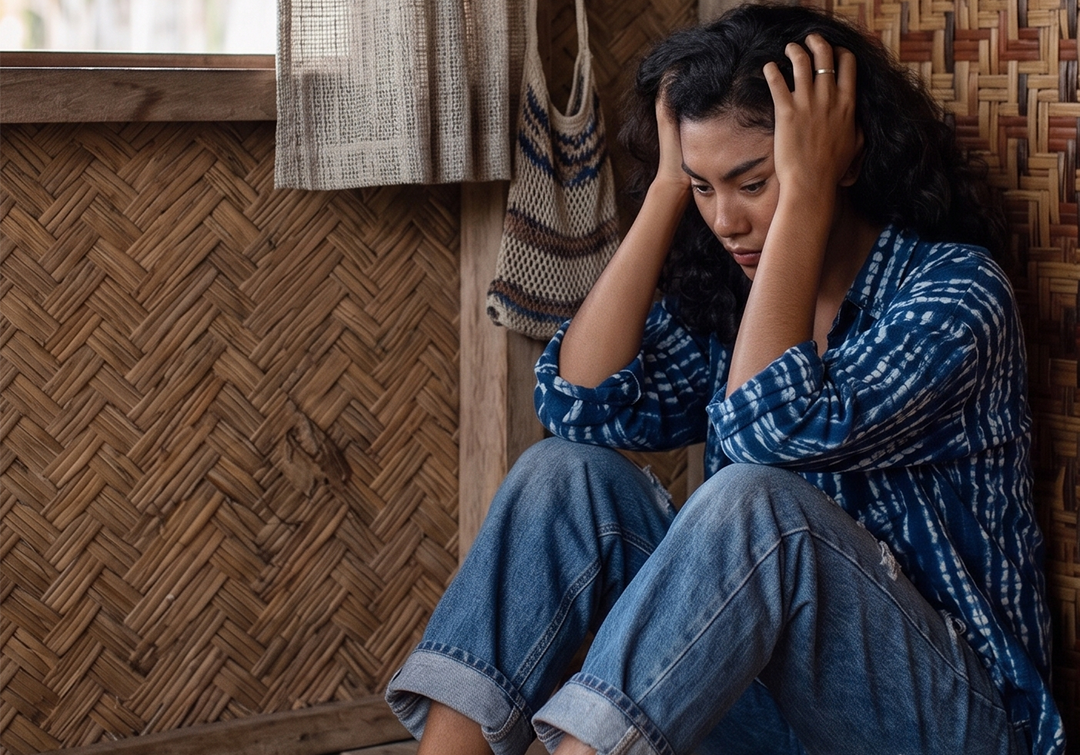
Stigma, silence, and scarce support are fuelling a silent epidemic.
Mental health is defined as a state of well-being that enables people to cope with the stresses of life, realise their abilities, learn and work effectively, and contribute to their community. It influences how individuals think, feel, and act. According to the World Health Organisation (WHO), good mental health positively impacts our ability to meet life’s responsibilities and find happiness and meaning. In contrast, poor mental health can negatively affect physical health, self-perception, and interactions with others.
In Papua New Guinea (PNG), mental health is often described as one of the most neglected areas of healthcare. The national health sector budget for 2025 stands at K2.86 billion, with funding prioritised for specialised hospitals, district hospital programs, infrastructure upgrades, medical supply distribution, training for community health workers, and the new University of Medicine and Health Sciences, which received K20 million to boost training and capacity building. Despite these investments, there is no clear allocation or specific mention of support for the mental health sector.
The United Nations Population Fund (UNFPA) has highlighted a shortage of trained professionals in PNG to provide mental health support. Similarly, UNICEF has reported that children’s and adolescents’ mental health is among the most neglected health issues globally. In East Asia and the Pacific, almost one in seven boys and one in nine girls between the ages of 10 and 19 are estimated to have a mental disorder, with suicide identified as the fourth leading cause of death among 15–19-year-olds. UNICEF further notes that millions more young people experience psychological distress that may not meet diagnostic criteria but still significantly affects their health, learning, and development.
Reports such as one by The Interpreter indicate that PNG’s mental health professionals are urging the government to recognise mental health as a national crisis. They argue that the lack of public dialogue is concerning, particularly since recent health policies—such as the National Health Plan 2021–2030—make no mention of mental health or mental illness.
With poor mental health linked to social, physical, and economic outcomes, the question is pressing: Should PNG treat mental health with the same urgency as physical health, ensuring its people have the right to heal both mind and body?


Leave a Reply