
Tok Pisin is one of the main languages spoken in Papua New Guinea (PNG) and plays a vital role in communication across the country. With over 800 languages spoken nationwide, Tok Pisin serves as a unifying language that allows people from different regions to understand each other. It is an English-based creole that developed over time through contact between different cultural and linguistic groups.
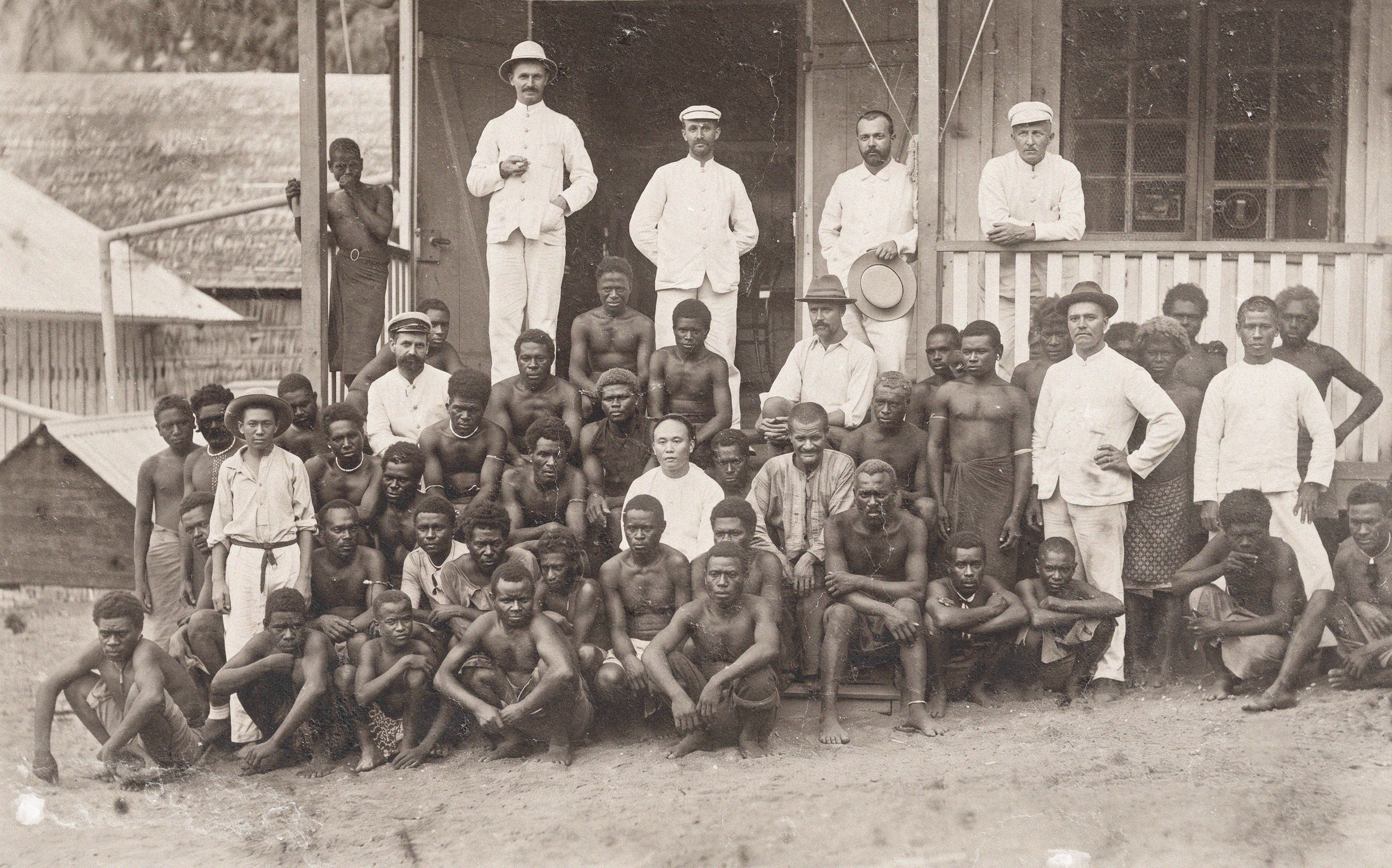
The origins of Tok Pisin can be traced back to the 19th century during the expansion of plantation labour and trade in the Pacific. According to linguistic research, the language began as a pidgin used on plantations. It arose primarily from the need for a shared language between colonial employers and local workers, eventually evolving from a pidgin used in trade into a creole that serves as a vital bridge between ethnic groups. Over time, the language also absorbed influences from German, Portuguese and other Pacific languages through colonial contact and trade. English vocabulary formed the base, but workers adapted it using their own grammatical structures and expressions, creating a simplified but functional language.
As time went on, Tok Pisin spread throughout PNG as labourers returned home. It continued to grow in complexity and was influenced by local Melanesian languages, as well as colonial administrations. Over time, it evolved from a basic pidgin into a creole language, meaning it became a first language for many people. It was increasingly used in trade, education and government, expanding its role beyond simple communication.
Today, Tok Pisin remains an essential part of life in PNG. It is one of the country’s official languages and is widely used in media, schools and everyday conversation. Its development reflects the country’s history of cultural interaction and adaptation, and it continues to unite people across diverse linguistic backgrounds.


Leave a Reply