
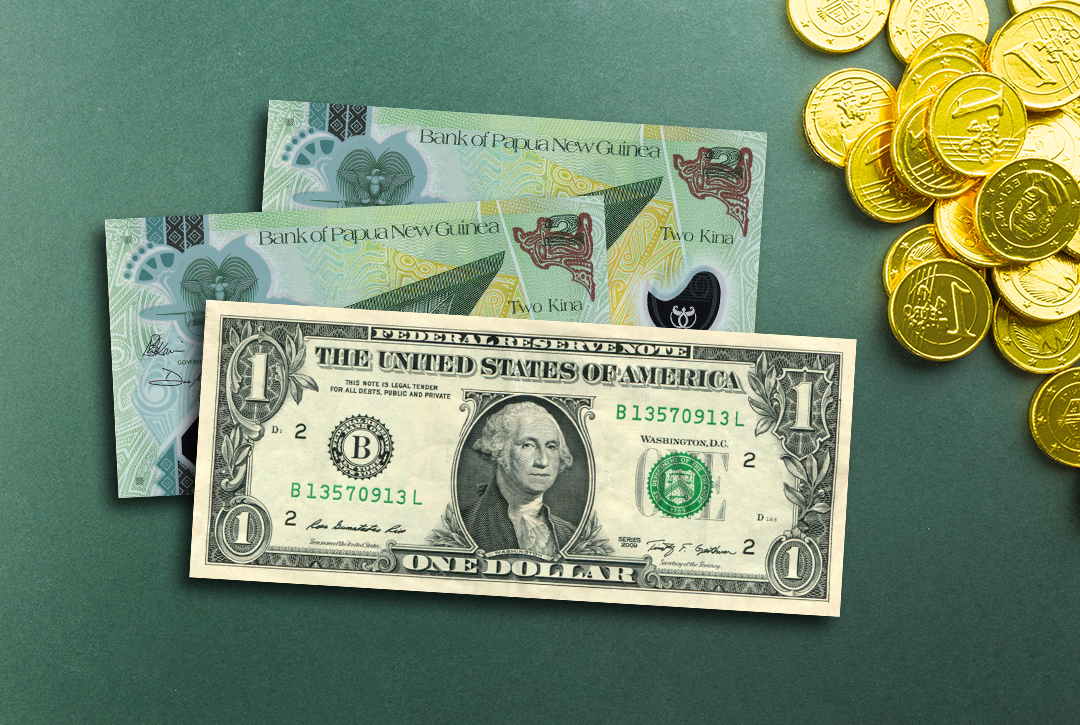
What dictates the value of the Papua New Guinean Kina?
Foreign exchange, or forex, is about trading one currency for another at a set rate. The Bank for International Settlements says the forex market is the largest and most active in the world, operating 24 hours a day, five days a week. Warren Buffett, a legendary investor and philanthropist, emphasizes the importance of understanding markets before making decisions.
In Papua New Guinea (PNG), at the time of publishing this article, the Kina is traded for about 24 US cents. According to experts, exchange rates change due to supply and demand, economic conditions, and global events.
The forex market helps countries trade with each other. Economist John Maynard Keynes once said that markets can be unpredictable, which is why careful planning is important. For example, if a PNG company buys goods from China, it might need to pay in Chinese Renminbi (RMB). This could involve exchanging Kina for RMB directly or using USD as a middle step.
Experts such as Dr. Loi M Bakani, former Governor of the Bank of Papua New Guinea, emphasize that strengthening exports – particularly in key sectors like agriculture – is essential to supporting and enhancing the value of the kina. This would bring in more foreign currency and stabilize the Kina. However, addressing currency challenges also requires broader strategies like diversifying exports and improving fiscal policies.
Foreign exchange policy, which includes how a country manages its money and spending, greatly affects the value of its currency. For example, if a government spends a lot or cuts taxes, it can cause inflation and make investors less confident, which can lower the currency’s value. On the other hand, careful money and spending management can build trust, attract foreign investment, and help the currency become stronger. Also, when a country raises interest rates, it often attracts more foreign money, which increases demand for the currency and makes it stronger. These policies influence how much a currency is worth and how it moves in the forex market.
Just as careful management of money and spending helps build trust and strengthen a currency, managing foreign loans wisely is important because too much external debt or expensive foreign borrowing can raise interest rates, making it harder and costlier for the country to borrow and invest. This affects the currency’s value and the country’s economic health.
Central banks are very important for keeping a country’s currency stable. They control how much money is in the economy and set interest rates to help keep prices steady. If the currency fluctuates too much, the central bank can buy or sell money to help keep its value steady. They also make sure banks have enough money to keep running smoothly. By doing these things, central banks help to build trust in the currency and keep the economy strong.
Can you give us an example of how foreign exchange affects you in your daily life?


Leave a Reply