
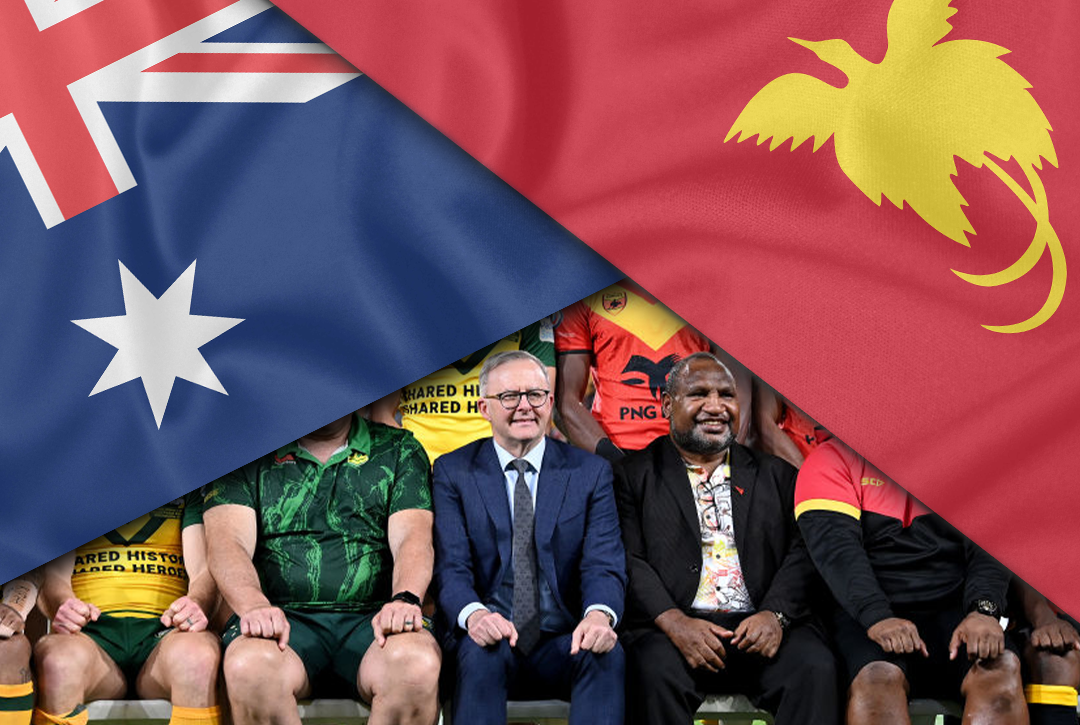
Big powers are spending on sports in PNG – but what do we get in return?
Sports diplomacy involves using sports as a tool for international relations, promoting soft power, and fostering connections between nations through shared activities and events. It leverages the universal appeal of sports to build bridges, improve understanding, and advance various diplomatic objectives.
Soft power allows a nation to influence the preferences and behaviours of various actors in the international arena (states, corporations, communities, audiences, etc.) through attraction or persuasion rather than coercion. This is why sports diplomacy is nowadays considered a new form of public diplomacy.
China’s sports diplomacy in Papua New Guinea (PNG) exemplifies a strategic blend of cultural exchange and international relations, fostering deeper ties between the two nations. A notable manifestation of this diplomacy is the establishment of the China Table Tennis College Training Centre at Butuka Academy in Port Moresby. Inaugurated in 2018, this centre was a collaborative effort between the Chinese government and PNG authorities, aiming to promote table tennis and strengthen bilateral relations.
Another example is the expansion of the Australian National Rugby League (NRL) to include a team based in Papua New Guinea. The Australian government-backed initiative is said to be worth $600AUD million over 10 years and it remains a key public relations and foreign policy initiative for the Albanese government. The Australian Broadcasting Corporation recently reported that the deal included “an assurance PNG will not sign a security deal that could allow Chinese police or military forces to be based in the Pacific nation”.
As the initial excitement dies down, some important questions start to arise. What else have we agreed to, to finally get our own NRL team? What type of opportunities will be created in PNG for our people, eg. new jobs created to support this new team, and during the construction of infrastructure to support the team? For all the hype and fanfare, there is still a lot we don’t know.
Sport as a political tool is not a new phenomenon; its propaganda potential has been realised for decades. Yet, something distinctive about contemporary sports diplomacy has emerged. The NRL expansion project with PNG reflects the willingness of wealthy governments to spend big on sports diplomacy as part of Pacific public relations initiatives aligned with foreign policy objectives. But what about PNG’s foreign policy objectives, and is the NRL deal just another step away from our age-old approach to foreign relations of “friend to all, enemy to none”?
Leave a Reply